
digi-gold-jpg-1770369355784_1770369356356-1200×675-1

தங்கம் விலை எவ்வளவு உயர்ந்தாலும் நம்ம மக்கள் அடங்க மாட்டாங்க..!! செபியோட வார்னிங் என்ன ஆச்சு?

The article examines the role of UPI in India’s digital gold market, noting substantial monthly and quarterly increases, regulatory cautions from SEBI, and the growing use of payment apps. It highlights cost considerations and emphasizes long-term saving strategies as consumer interest expands.


Read More
russia-oil-jpg-1770113974583_1770113974343-1200×675-1

Breaking: அமெரிக்க ஒப்பந்தம் இருக்கட்டும் ரஷ்யாவிடம் எண்ணெய் வாங்குவதை இந்தியா உடனே நிறுத்த முடியுமா?

The article explains India’s tariff agreement with the United States, lowering duties from 50% to 18% and outlining sector-specific impacts, including positive prospects for metals, jewellery, textiles and apparel, while noting limited effects on pharmaceuticals and consumer electronics, with Moody’s cautions on Russia oil.

Read More
dubaigold2-1770112819

இனி தங்கம் வாங்க இந்தியர்கள் துபாய்க்கு படையெடுக்க போறாங்க!! விதிகளை தளர்த்திய மத்திய அரசு!!

India’s Union Budget 2026, presented by Finance Minister Nirmala Sitharaman on February 1, 2026, removes outdated value caps on duty-free gold jewellery allowances for passengers, setting weight limits at 40 grams for women and 20 grams for men. This change, hailed by Indian expats in the UAE, addresses years of confusion, harassment, and compliance issues caused by soaring gold prices since the 2

Read More
budget4-1769918266

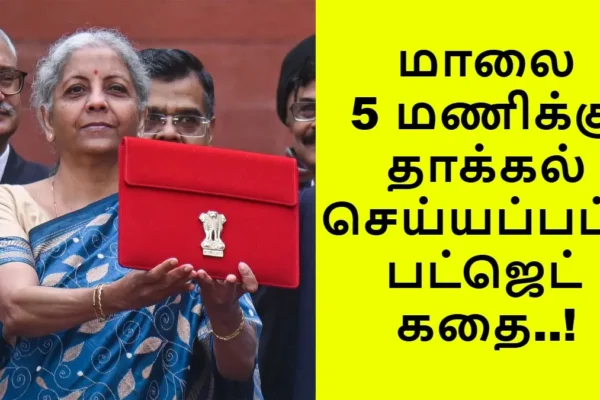
மத்திய பட்ஜெட் மாலை 5 மணிக்கு தாக்கல் செய்யப்பட்ட கதை தெரியுமா உங்களுக்கு..! – Allmaa

India’s Union Budget presentation has evolved significantly over time. Until 1998, budgets were presented at 5 PM to align with the British Parliament’s schedule. This colonial-era practice ended in 1999 when Finance Minister Yashwant Sinha shifted the timing to 11 AM for better parliamentary scrutiny. Further reforms included advancing the budget date to February 1, introducing the traditional ba

Read More
manufacture-f-jpg-1769851650473_1769851650620-1200×675-1

மத்திய பட்ஜெட் 2026: இந்திய உற்பத்தி துறையினர் எதிர்பார்ப்பது என்னென்ன?

The Budget 2026 focuses on strengthening India’s manufacturing sector through gst reform, input cost relief, domestic production incentives, and policies to support Make in India, small and large enterprises, and R&D driven growth, aiming to expand exports and create jobs while maintaining macroeconomic stability.

Read More
crypto1-1769854352

Breaking: கிரிப்டோ முதலீட்டாளர்களே ரெடி.. கதவுகள் திறப்பு.. வரிகள் குறைப்பு.. பட்ஜெட்டில் முக்கிய அறிவிப்பு..!!

With Budget 2026 approaching, India’s crypto ecosystem is watching closely for tax reforms that could ease one of the world’s toughest virtual digital asset regimes. Industry experts expect rationalisation rather than aggressive taxation, including potential relief on loss offsets and holding rules.

Read More
nirmalamodi-1769675507

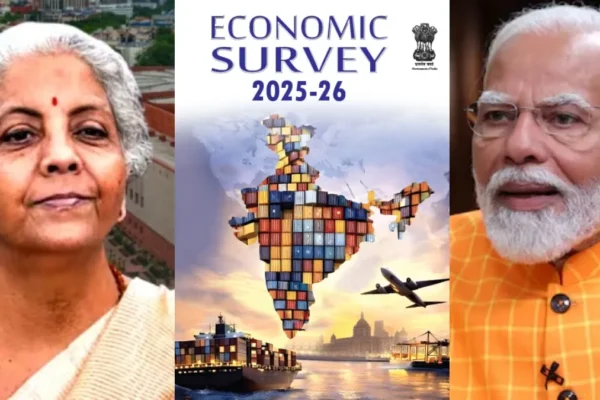
செம டிவிஸ்ட்..! மோடி அரசின் பொருளாதார ஆய்வறிக்கையில் அதிகம் பயன்படுத்தப்பட்ட சொல்.. எது தெரியுமா..?

India’s Economic Survey 2026 highlights the government’s strategic priorities, with “Growth” emerging as the most referenced term, followed by Artificial Intelligence and employment. The data reflects India’s focus on technology-driven economic expansion, job creation and stable macroeconomic management.

Read More
economicsurvey-1769671899

Economic Survey வெளியானது.. அடுத்த ஆண்டு GDP வளர்ச்சியில் மேஜிக்..!!

India’s Economic Survey 2026 highlights resilient economic fundamentals, projecting GDP growth between 6.8% and 7.2% for FY27, with long-term potential near 7%. Inflation is expected to remain within the RBI’s comfort zone, supported by supply improvements and GST reforms. The electronics and mobile manufacturing sectors continue to drive exports and domestic production. The report sets the econom

Read More
gold-2026-01-28t174458-511-1769602541

தங்கம்,வெள்ளி விலை உயர்வு: பெரிய சிக்கலில் அரசு!! பட்ஜெட்டில் இந்த அறிவிப்பு வந்தா மொத்தமா காலி!! – Allmaa

India’s gold imports straining foreign reserves and the rupee. Policymakers may raise duties from 6%—cut in 2024—to curb non-essential demand and trade deficits, though past hikes failed to dent consumption as investment demand via ETFs soared.

Read More